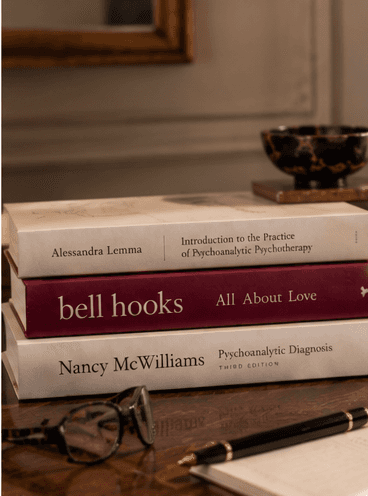
A space for careful thought
People come to psychotherapy for many different reasons.
You do not need to be in crisis, or know exactly what is wrong, to begin therapy. Sometimes the starting point is simply that something in life feels difficult, keeps repeating, or needs to be understood more fully.
You may be experiencing anxiety, low mood, grief, loneliness or difficulty in a relationship.
You may be facing relocation, separation, serious illness, professional pressure or another significant transition.
Sometimes the difficulty is less easily named. Something may feel absent, constrained or unresolved even when life appears successful from the outside.
Psychotherapy makes room for experiences that may be difficult to discuss elsewhere.
Individual psychotherapy
Individual psychotherapy offers a confidential relationship in which to understand your emotional experience, relationships and ways of responding to difficulty.
The work may involve: Understanding recurring emotional and relationship patterns; Putting difficult or confusing experiences into words; Recognising ways of coping that were once protective but may now be restrictive.
It may also involve considering how culture, identity and social experience shape psychological life; developing greater capacity to understand and tolerate difficult feelings; finding greater freedom in how you respond to yourself and others; and thinking about questions of meaning, direction and fulfilment.
The purpose is not to impose an ideal version of who you should become. It is to understand your experience more fully and create the possibility of making different choices.
Adolescents
Adolescence brings considerable psychological and relational change. Questions about identity, independence, sexuality, friendship, family, school and the future can become especially intense.
Psychotherapy offers a young person a private space in which difficult experiences can be expressed and understood without immediate judgment or pressure to produce a particular answer.
At the beginning of the work, confidentiality and parental involvement are discussed in relation to the adolescent’s age, needs and circumstances.
Couples and families
Couples and families may consult when communication has become difficult, a relationship is under pressure, or a significant event is affecting the family. The work creates space to understand the different experiences within the relationship, identify recurring patterns and consider more constructive ways of responding to one another.
Reasons people consult
People come to therapy for different reasons. You do not need to identify with a diagnosis before beginning therapy.
Emotional wellbeing
Anxiety and emotional distress
Depression and low mood
Grief, separation and loss
Trauma and painful life experiences
Loneliness and disconnection
Relationships and family
Relationship difficulties
Family difficulties
Communication difficulties
Repeating patterns that feel difficult to change
Identity and belonging
Identity, sexuality and belonging
Race and cultural experience
Relocation and international transitions
Change, pressure and meaning
Professional pressure and burnout
Leadership and career transitions
Serious illness and support for loved ones
Questions of meaning or personal fulfilment
My approach
My work is integrative and informed by psychodynamic thinking.
This means paying attention to present circumstances while also considering how personal history and earlier relationships may continue to influence current expectations, choices and ways of relating.
I do not apply the same formula to every person. The approach develops through a shared understanding of your needs, circumstances and reasons for consulting.